Construction of New Transmission, Distribution Line &Substation
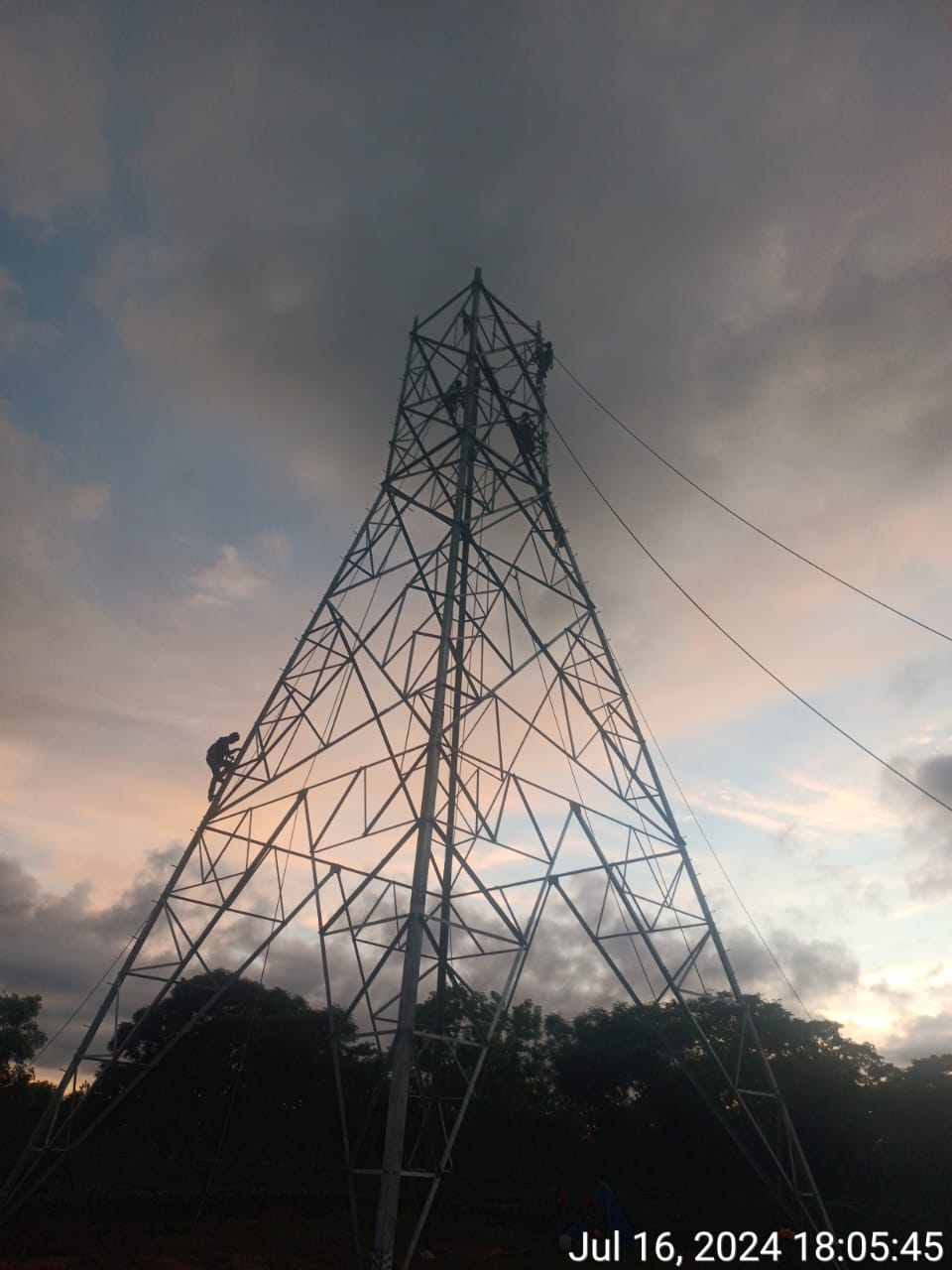
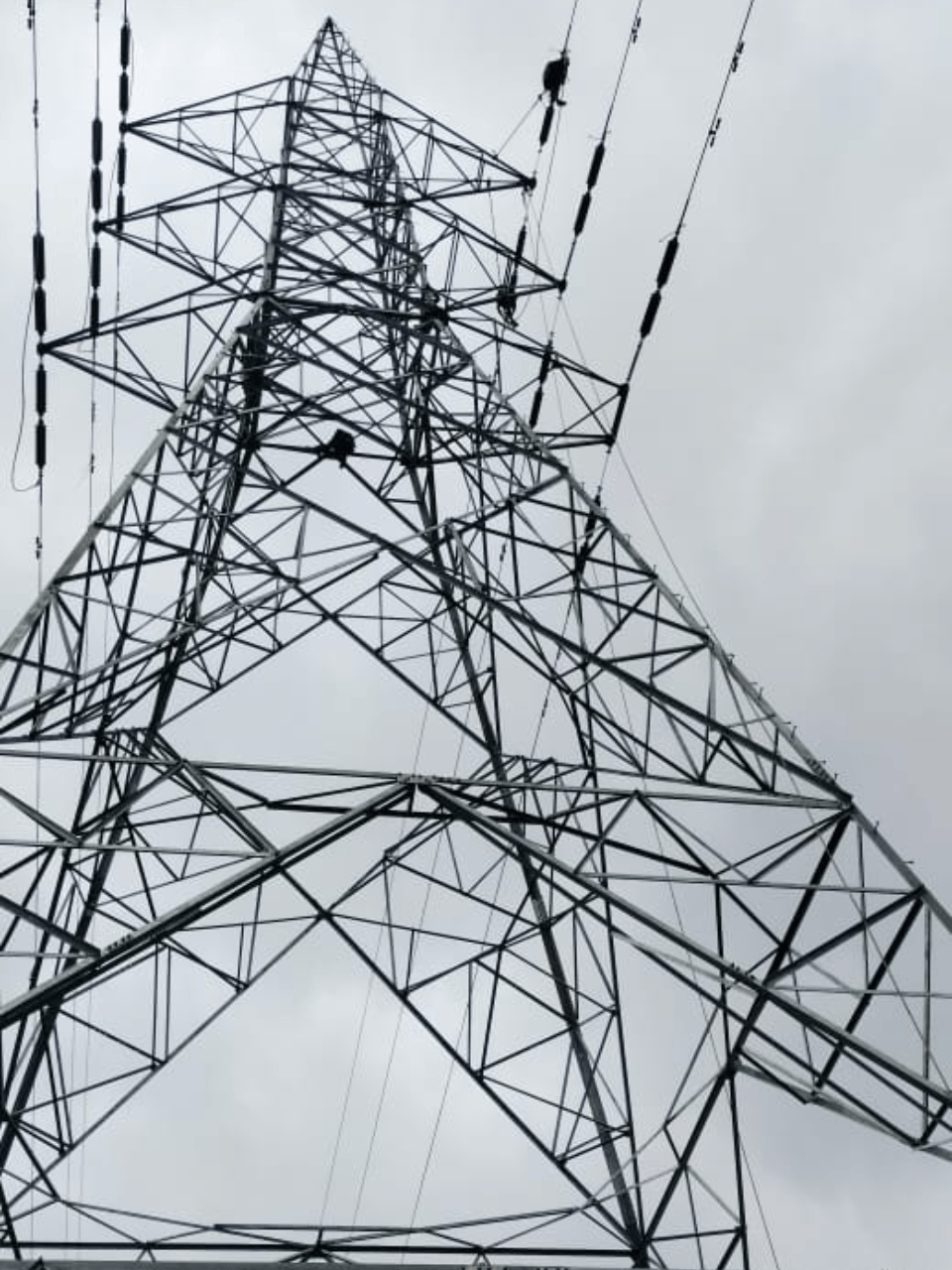
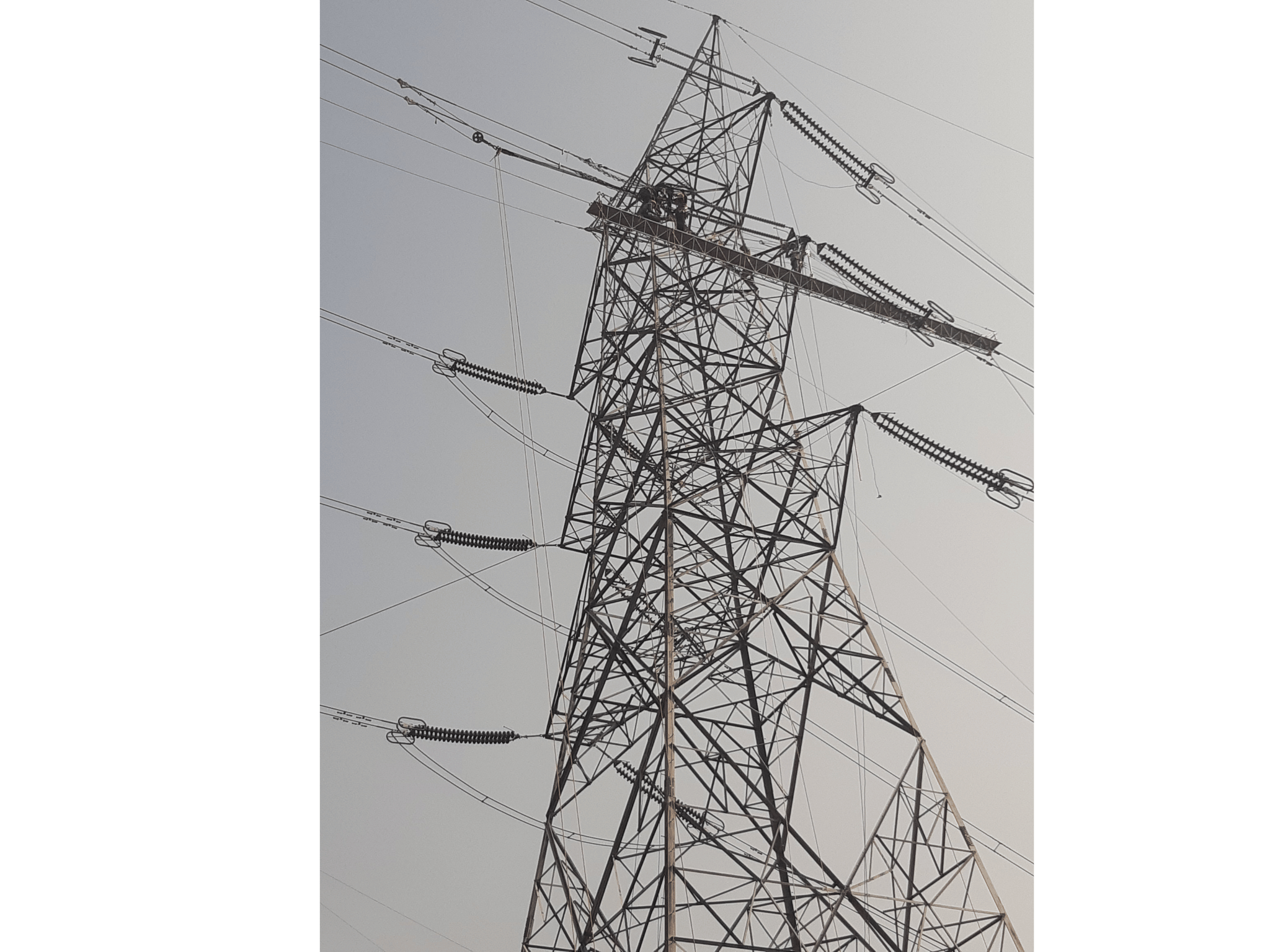
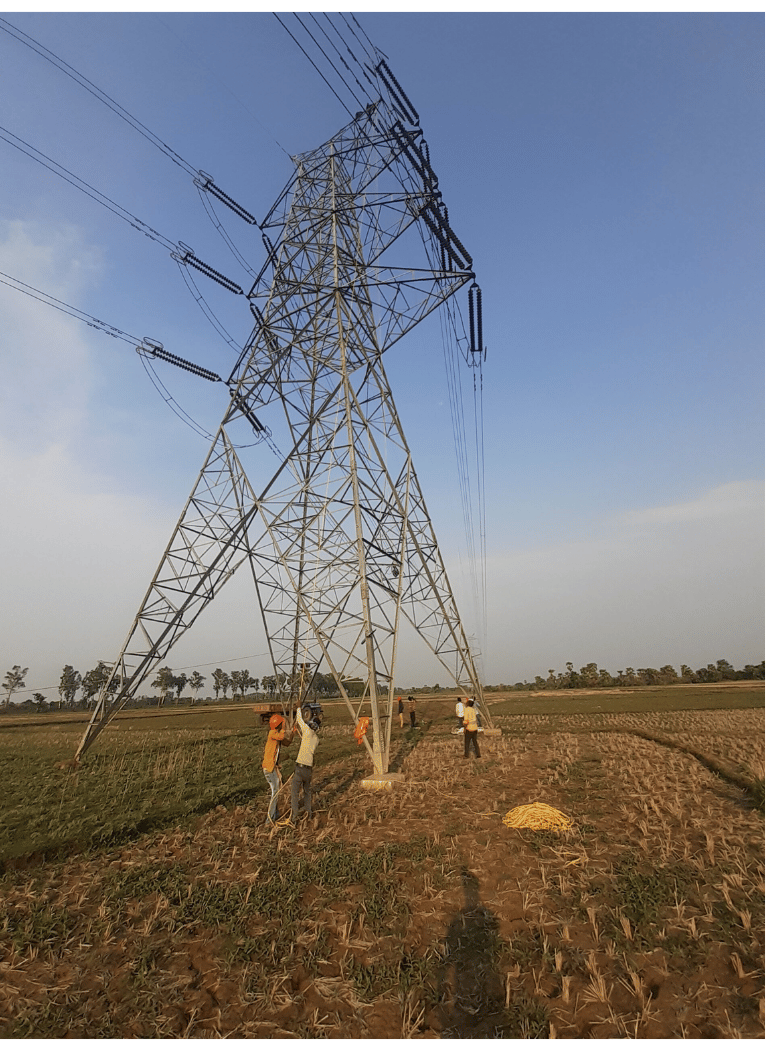
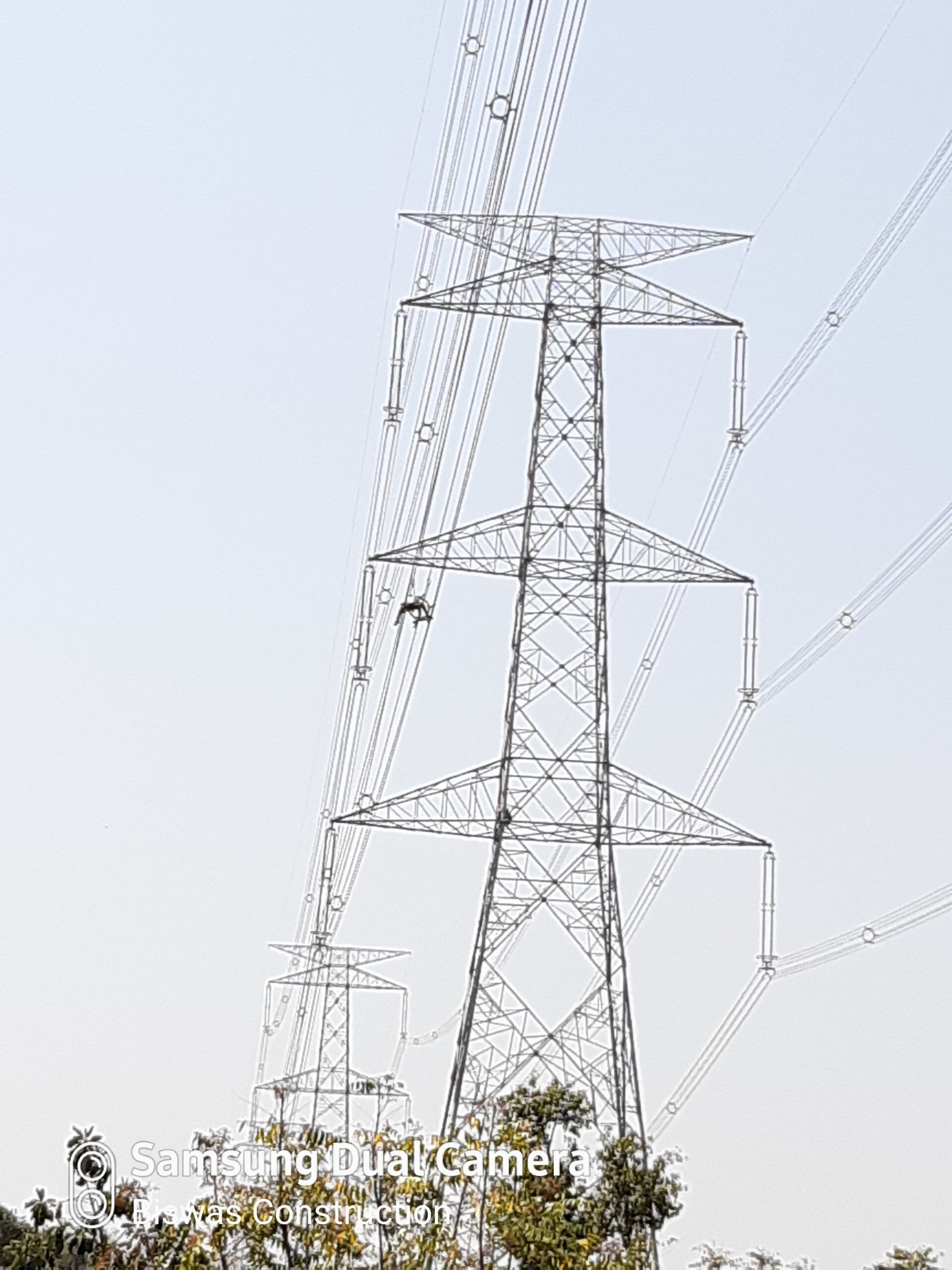
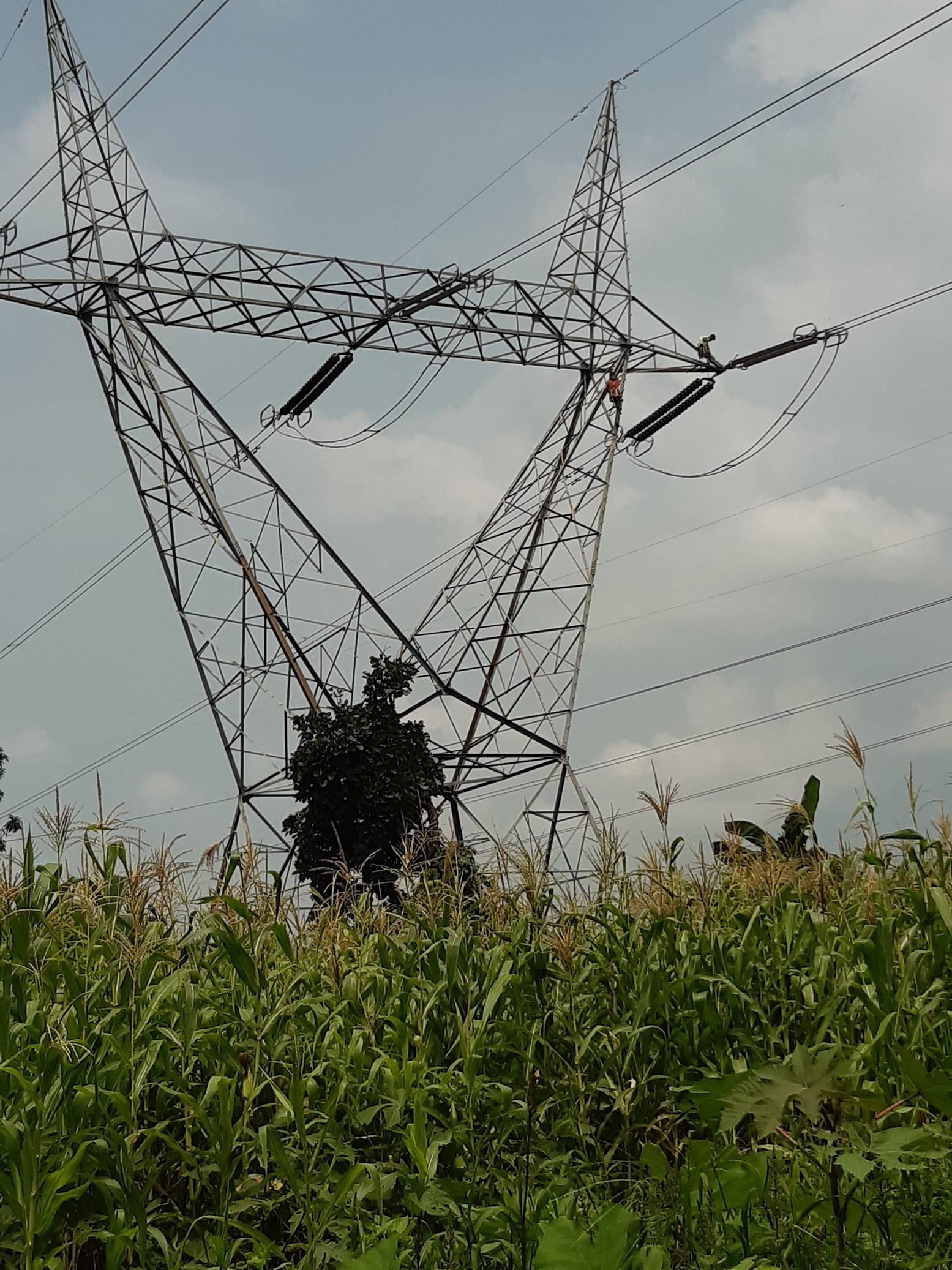
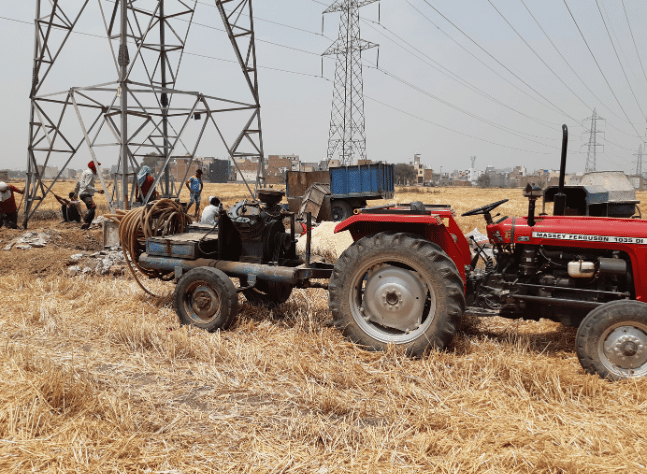
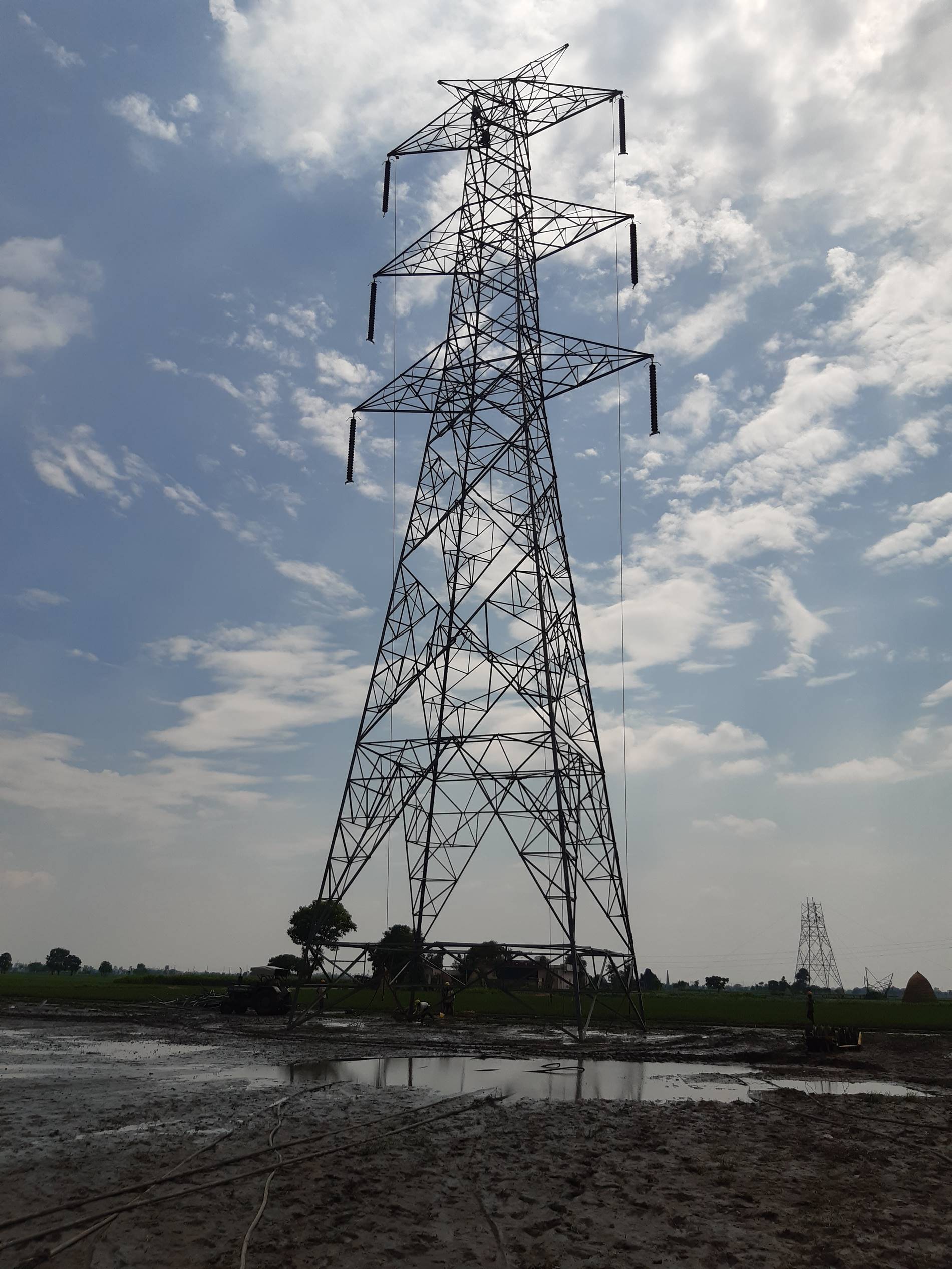
We provide complete transmission and distribution line, as well as substation, services. Our first goal is to build the line or substation in a safe and high-quality manner that meets our clients’ specifications. We specialize in Foundation, Erection, Stringing, and OPGW installations, as well as the installation of various types of accessories.
Reconductoring
In existing lines, old Panther, Zebra, Moose, Bersimis, or other types of conductors are replaced with equivalent conductors or HTLS (ACCC,GAP) conductors up to 800 KV-HVDC Transmission line.
Live Line OPGW Installation
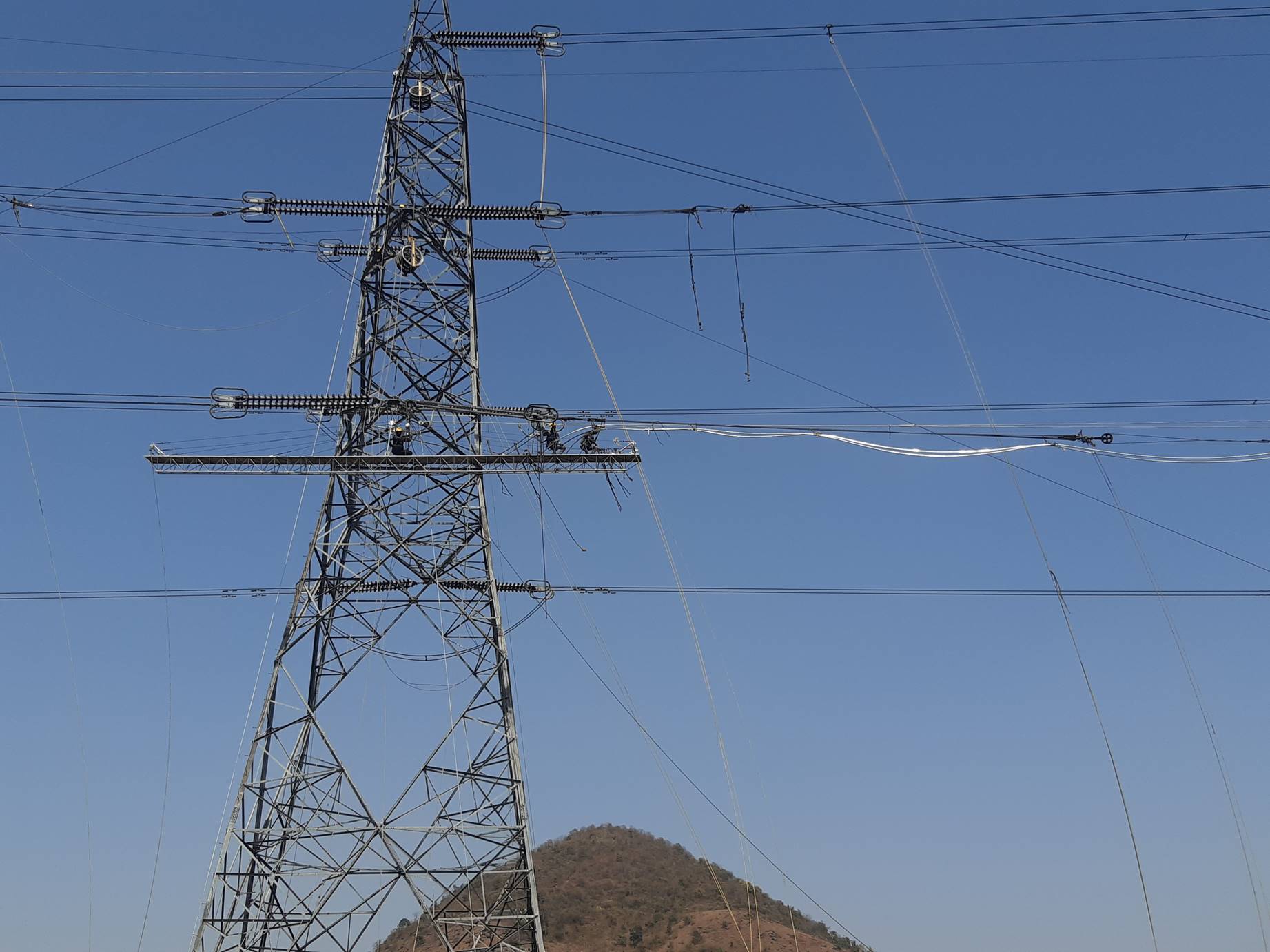
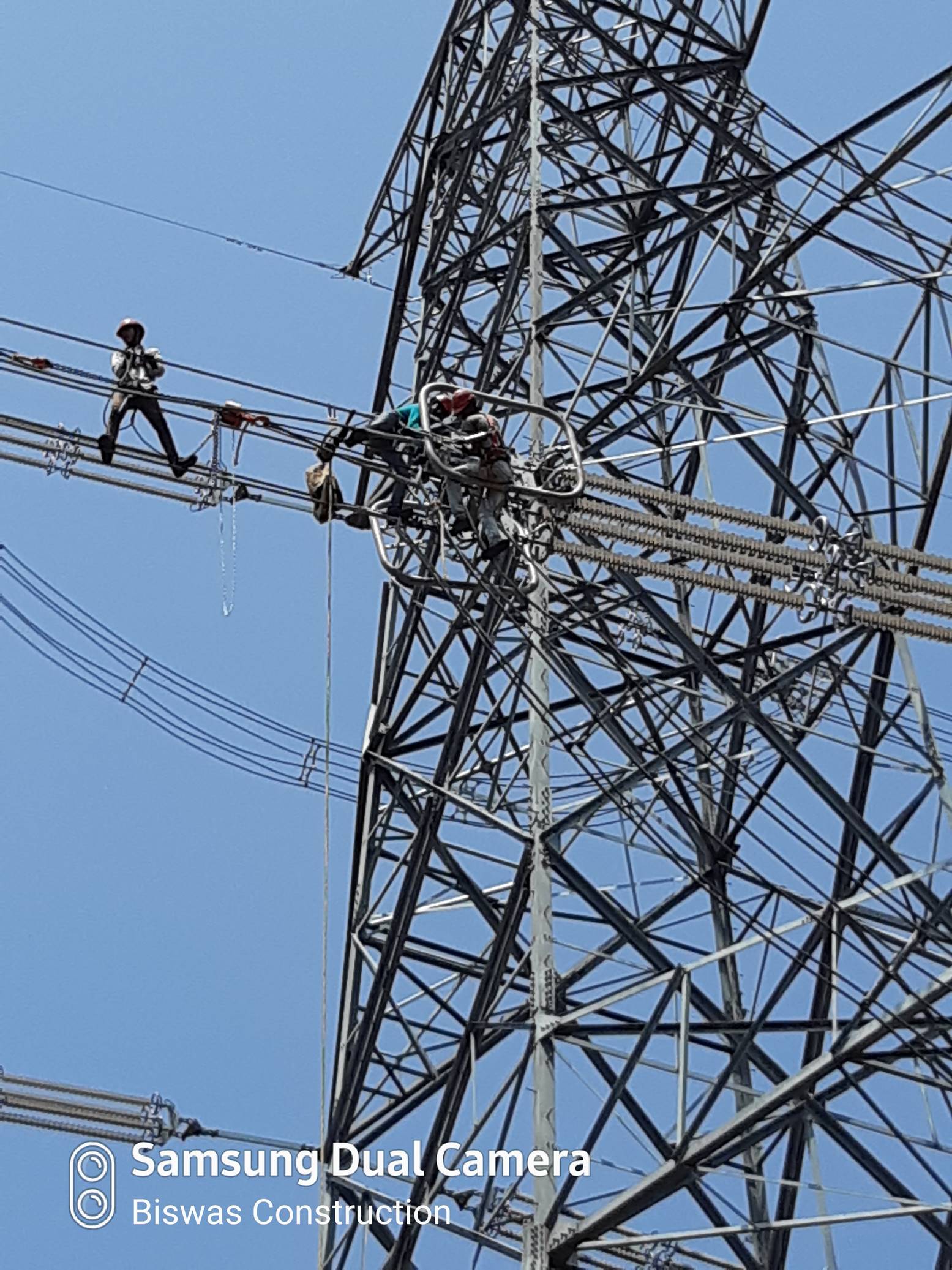
Live line installation of OPGW is a method utilized to enhance the capacity and effectiveness of power transmission lines. This entails the installation of an optical fiber cable alongside active power transmission lines. The OPGW cable allows for dependable communication between power stations and substations, allowing for real-time monitoring of the power grid and ensuring prompt maintenance.
Hotline & Cold Line Maintenance
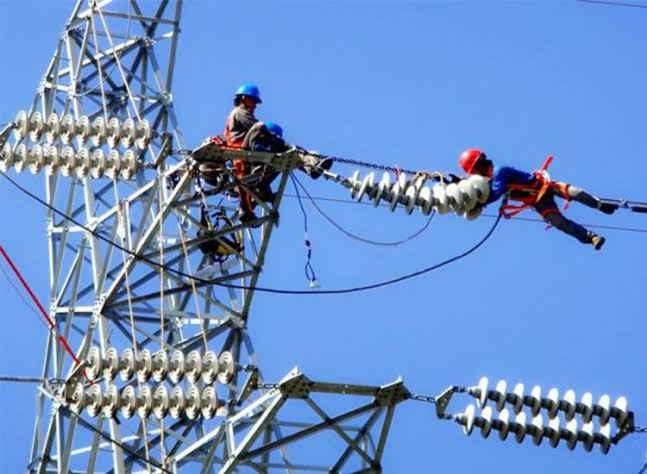
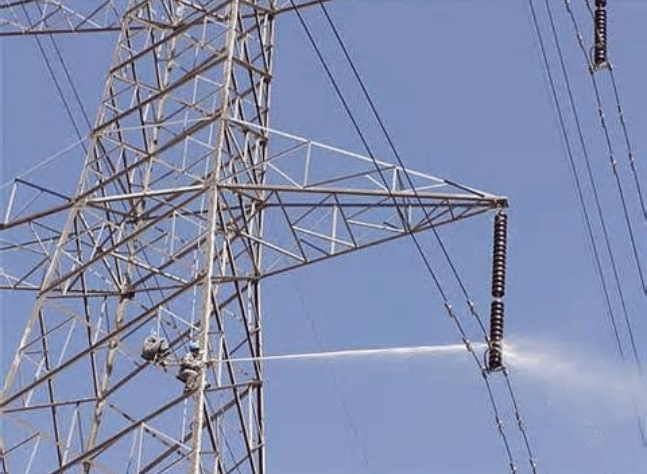
We use proper hot line maintenance techniques such as the hot stick method, bare hand method, and rubber glove method. Hot line washing provides the same benefits as hot line maintenance work, namely no disruption and no revenue loss.
Maintenance works are as follows:
1) Punctured insulator test. 2) Replacement of disc insulators. 3) Tightening the nut bolts on power connectors. 4) Provide a parallel jumper.
5) Tower Strengthening.
6) Foundation Chimney Recasting & Stub Strengthening.
Insulator Replacement/Cleaning
Dust, bird droppings, chemical pollution, saline weather, and other factors pollute line insulators and equipment. Contaminated insulators are prone to flashover during humid weather, dew, or foggy conditions, hence they must be cleaned on a regular basis or replaced in need.
Insulator String replacement varies as per tower configuration, insulator type & voltage level.
Tower Strengthening
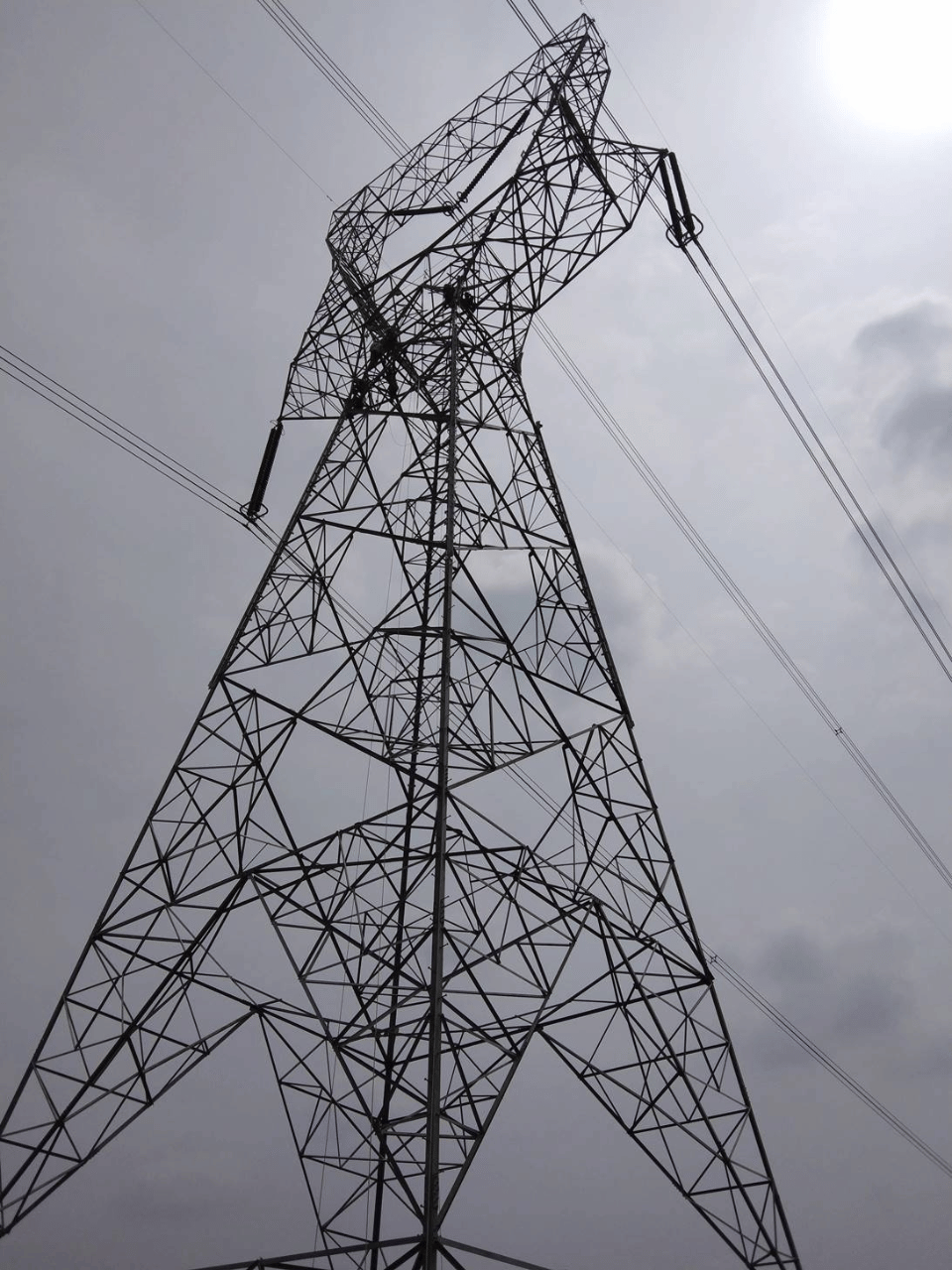
Tower strengthening is required in an extremely old transmission line that is becoming weaker by the day, or in a specific area where tower failure rates are higher than average owing to a monsoon or hurricane.
In India, 765 kV delta design towers are frequently strengthened.
Stub Strengthening
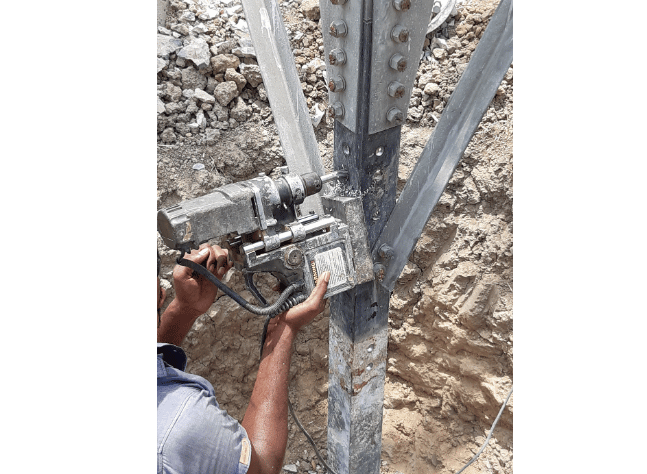
Stub strengthening is simply the technique of repairing corroded tower stubs using an effective chemical compound. The stubs are strengthened to prevent the tower from collapsing and to ensure the tower lines have a long and healthy life.
Tower Accessories Installation
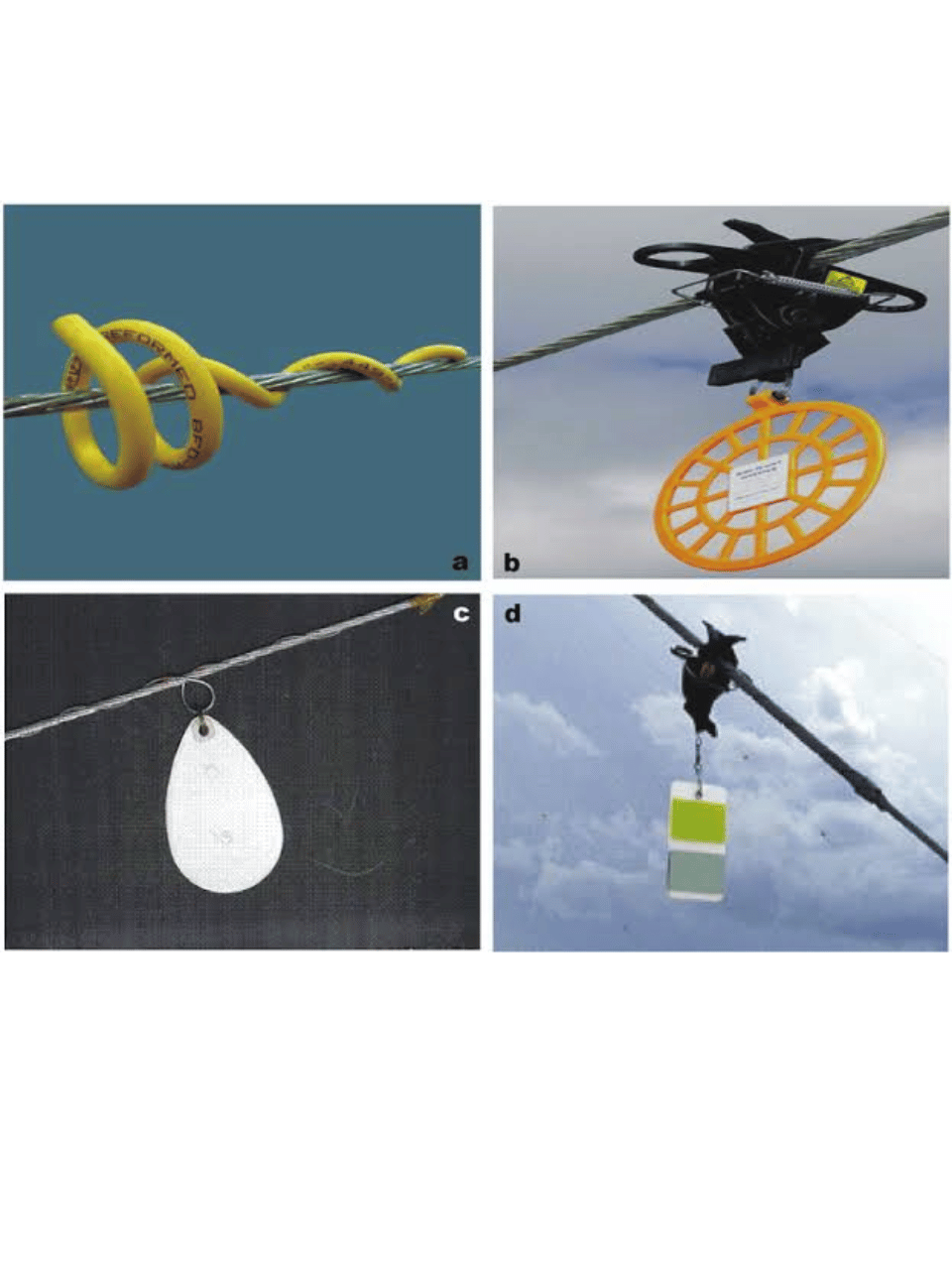
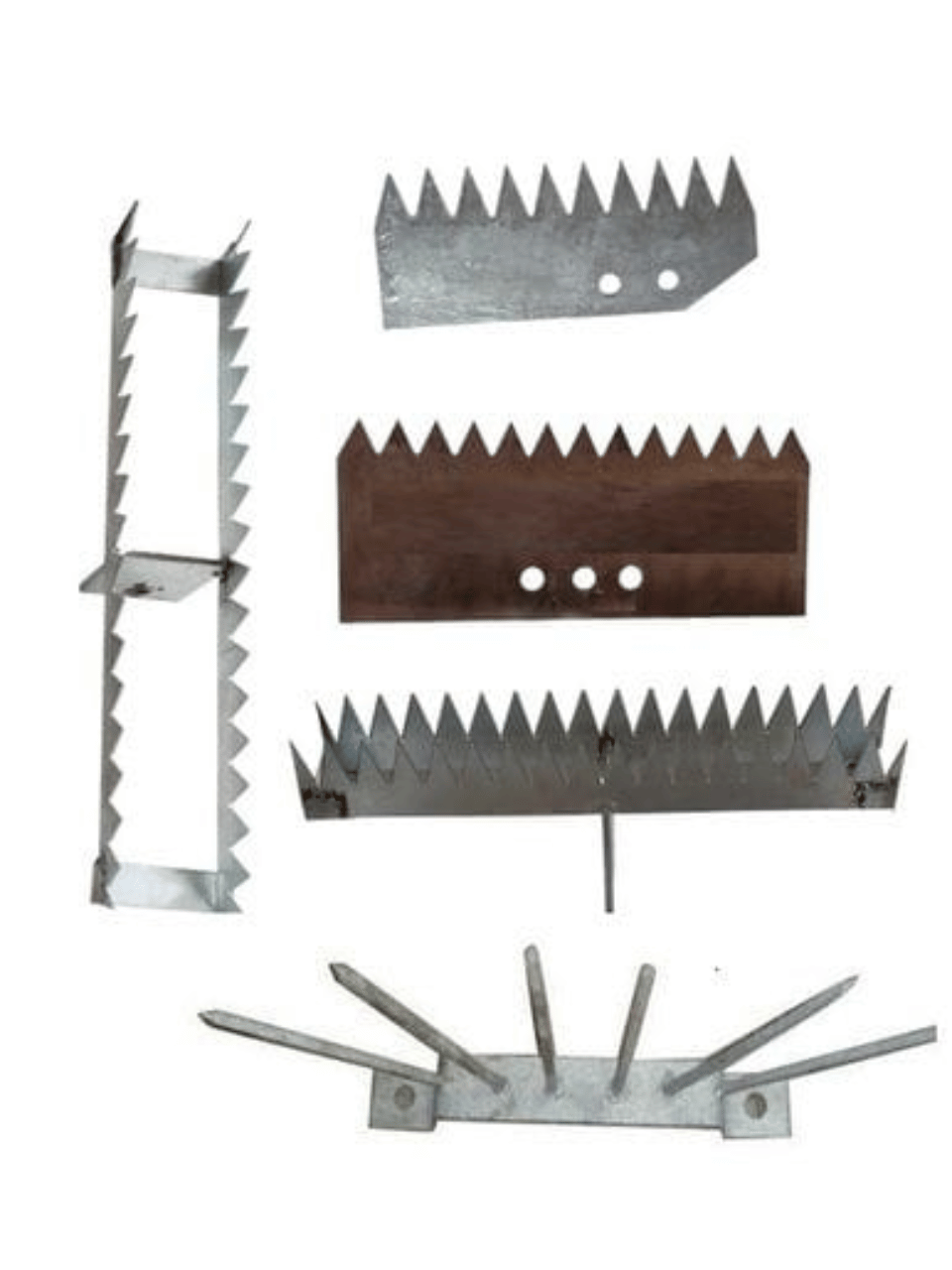
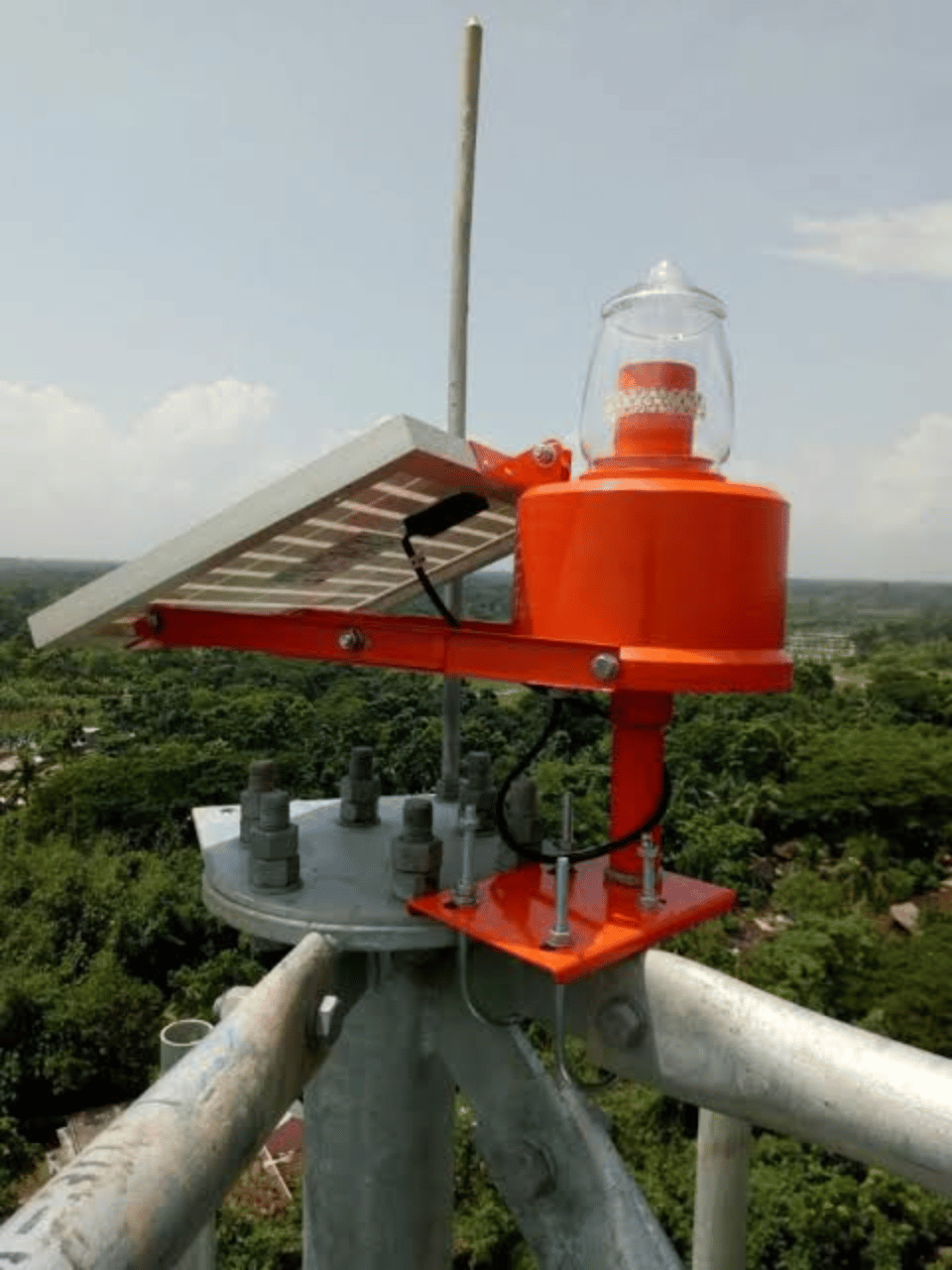
Tower accessories installation like Aviation Light/ Bird-Flight Diverter Installation, Anti Climbing Device, Bird Guard , Number/Phase/Circuit Plate etc.
TL Restoration/Diversion
At the Ministry of Power’s request, the Central Electricity Authority (CEA) has created a unified standard operating procedure for moving transmission lines during infrastructure development to improve coordination between agencies.
According to the standard operating procedure, developers of construction projects that involve moving transmission lines must inform the owner and the Member (Power System), CEA in writing beforehand. Requests to move transmission lines for non-national projects will only be reviewed by the transmission line owner if the proposal benefits the public interest and is approved by the state government or central ministries.
The circular has been distributed to every state/territory and all relevant ministries/departments.
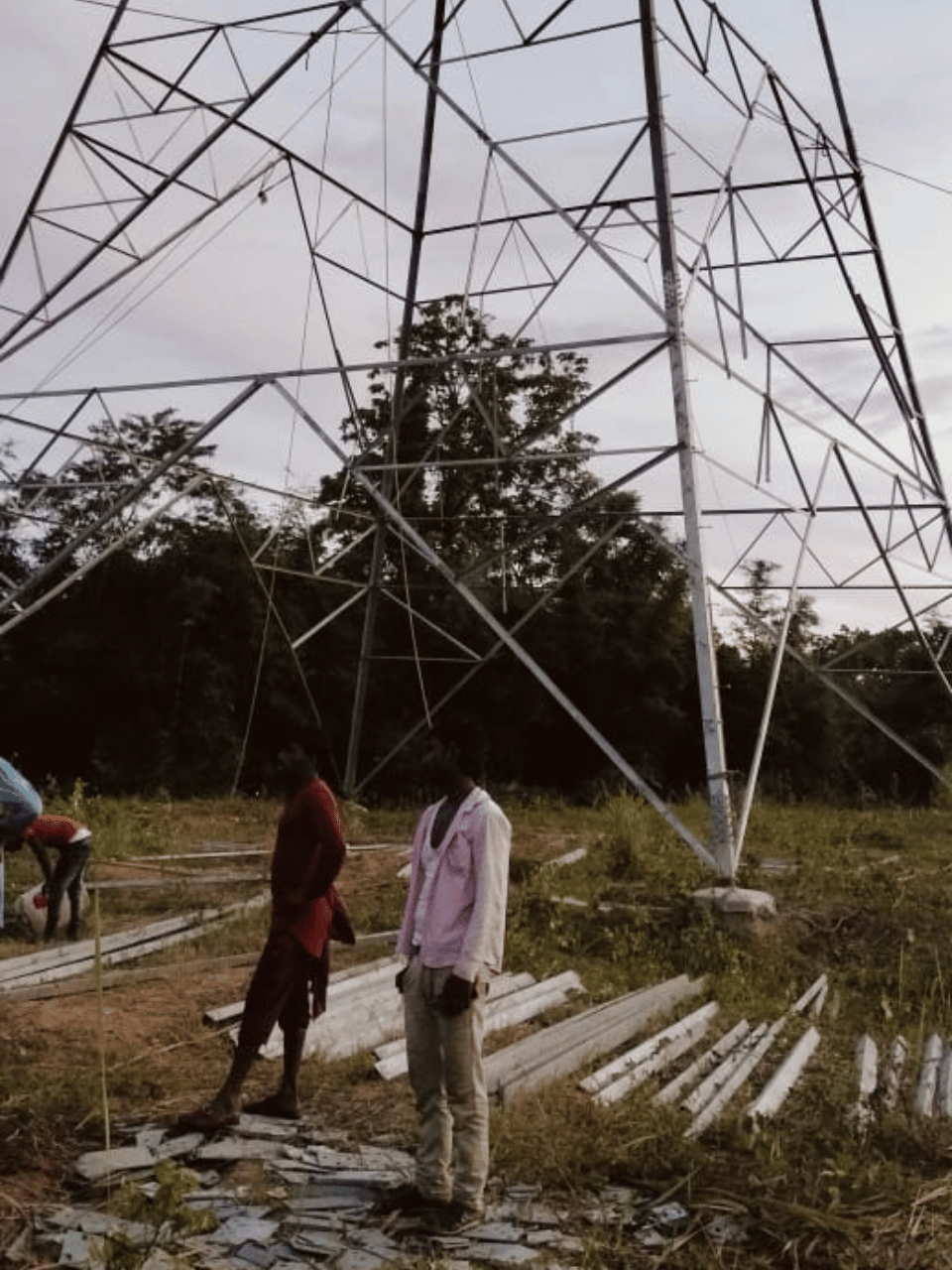
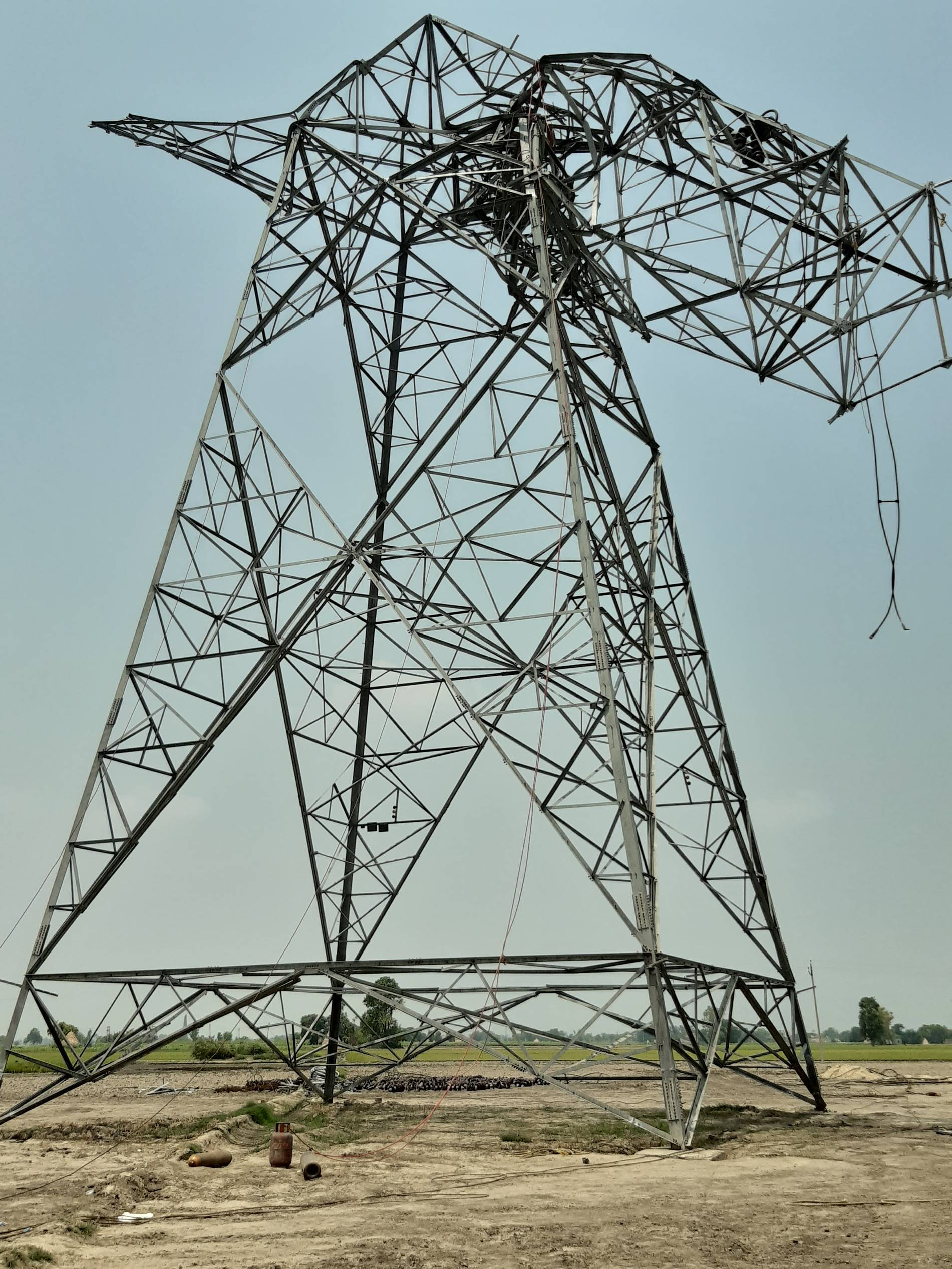
Towers that have collapsed need restoration, or modifications need to be made to the towers to accommodate site conditions.
Powerline Crossing on Live Line
Typically, the line with a lower voltage goes underneath the line with a higher voltage. Construction workers aim to design these crossings in a manner that ensures the construction is as cost-effective as can be.
The power line crossing should occur in a location that provides the greatest amount of clearance at the point where the two lines intersect. The tower of the higher voltage or the upper line should be located as near as possible, ideally around 50 meters, to the crossing point. The span or maximum sag point of the lower voltage or line passing below should align with the crossing point.
L.T. lines without sufficient clearance can be redirected to other suitable locations to ensure proper clearance.